Expert Tips
5 min read​

Your Projects Look Busy — But are They Making Money?
Published on
10 Feb, 2026

Most teams judge projects by visible signals.

  • Did we deliver on time?
  • Did the client approve the final output?
  • Did revenue come in as expected

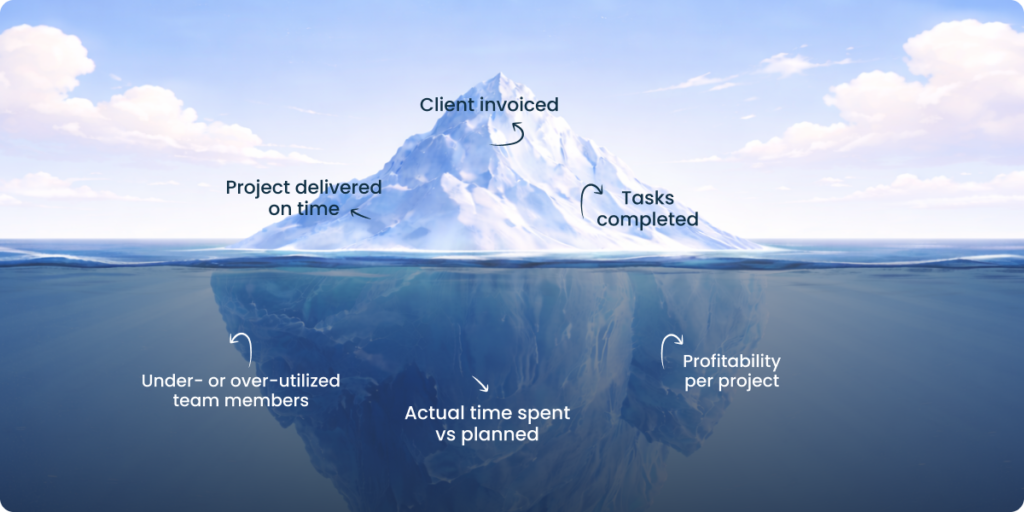
On the surface, those are reasonable benchmarks. But none of them answer the question that actually determines whether a project was worth doing.

Here’s the uncomfortable truth most teams discover too late: a project can hit every milestone, satisfy the client, and still quietly lose money.

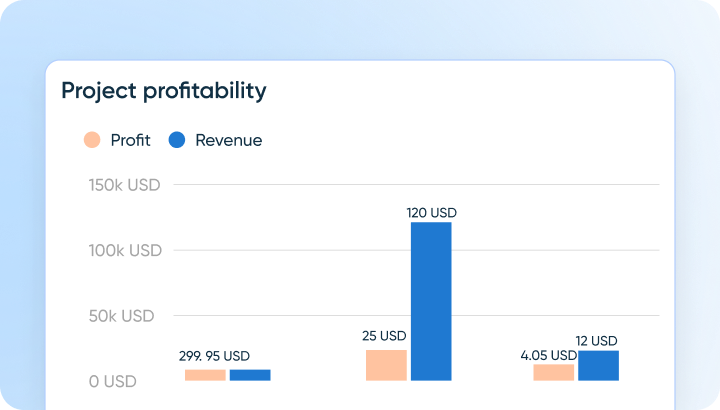
So the real question is not whether a project was completed. It is this: how do you actually know if a project made money? That question sits at the core of how to measure project profitability, and it is one that many teams cannot answer with confidence.

Why Project Profitability Matters

Project profitability is often treated as a finance concern. Something reviewed after the fact, inside reports most teams never see. In reality, it affects everyday decisions long before accounting gets involved.

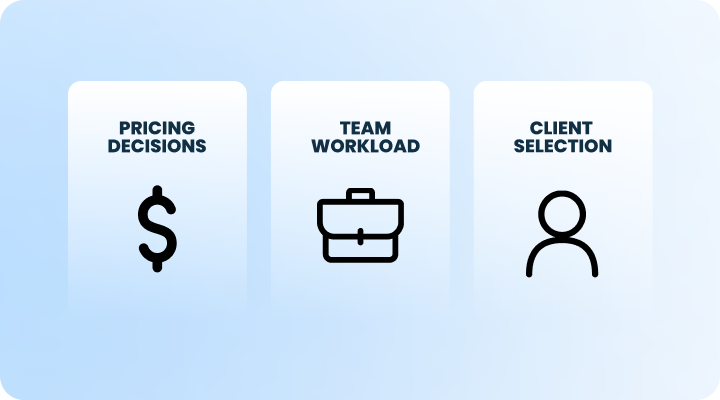
  • Pricing Decisions: If you do not know what similar projects actually cost to deliver, pricing becomes guesswork. Teams either underprice to win work or overpromise the scope that erodes margins later.
  • Team Workload and Burnout: Unprofitable projects usually demand more hours, more revisions, and more firefighting. Over time, that extra effort lands on the same high performers, leading to burnout while appearing “busy” on paper.
  • Client Selection: Profitability also determines which clients make sense to keep. Some clients pay well but consume disproportionate effort. Others look small but scale efficiently. Without visibility into profit per project or client, those distinctions stay invisible.

The biggest risk appears when businesses grow. Scaling unprofitable work does not fix margins. It multiplies the problem. More projects, more staff, and more revenue can still mean less actual profit if costs are not measured alongside output.

Therefore, knowing how to measure project profitability is a decision-making skill, not an accounting metric. It informs how you price, staff, scope, and grow, while there is still time to adjust.
5+ Factors That Affect Project Profitability

Knowing how to measure project profitability is only the starting point. To improve outcomes, teams need to understand why it happened and where effort actually went.

Different people contribute differently to profitability. The same task performed by different roles or experience levels can have very different costs and impacts. When work is misaligned, even well-run projects can slip into negative margins.
 
Below are the key people and activity factors that influence project profitability:
  1. Role and effort allocation
  2. Over-utilization and burnout
  3. Under-utilization and idle time
  4. Revision cycles and rework
  5. Unplanned activities and meetings
Understanding project profitability requires connecting losses to specific activities and people, not just final outcomes. That level of insight and business analytics makes it possible to adjust staffing, scope, and workflows before the same issues repeat.

Revenue Alone Doesn’t Equal Profit

Invoiced revenue shows what a client paid, not what the project earned. It ignores the cost of the work required to deliver that invoice.
 
Most losses hide in places teams rarely track closely: internal time, extra meetings, revisions, rework, and senior support stepping in to unblock delivery. None of these appear on the invoice, but all of them consume real money.
 
Profit only exists after every cost is accounted for. Until you connect revenue to the actual effort behind it, profitability remains an assumption, not a fact.
 
Effort vs Revenue
The biggest gap in project profitability usually appears between the work done and the work charged. Teams often deliver more than what is reflected on the invoice, especially when timelines slip, scope evolves, or quality expectations rise mid-project.
 
Extra meetings, internal reviews, revisions, and unplanned support rarely get billed. They feel like part of “getting the job done,” but they still consume time and cost money.
 
Tracking bills and invoices to measure effort alongside revenue helps map actual work to billable value. Without that connection, teams can stay busy, keep clients happy, and still miss the fact that projects are underperforming financialy.

The Importance of Time Tracking for Measuring Project Profitability

Thinking about project costs, what’s the first thing you tend to focus on?

Most probably, those are thoughts about tools, vendors, or fixed expenses. In reality, the biggest cost driver in most projects is effort. People’s time is where margins are made or lost.
 
That time is not spent only on planned delivery work. Margins are often eroded by activities that feel minor in isolation but add up quickly, such as:
 
  • Internal syncs and status meetings
  • Revisions and rework driven by unclear scope
  • Ongoing support or last-minute requests
This is why time tracking plays a critical role in understanding project profitability, because it reveals where effort is actually going rather than where it was planned to go. Actual effort almost always drifts away from original estimates.

How Profitability Lives at the Client and Activity Level
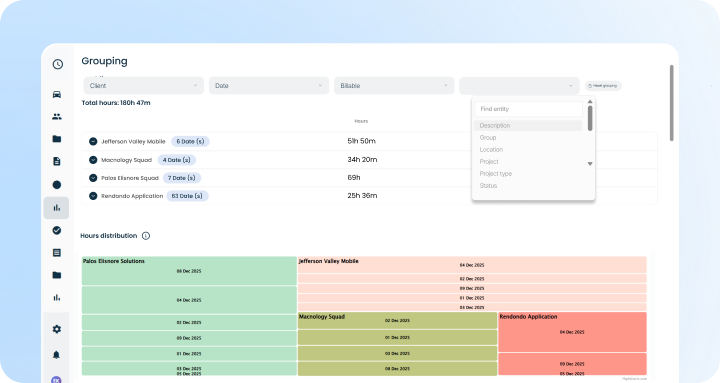
Looking only at overall company profit often hides what is really happening inside individual projects. A business can appear healthy on paper while specific projects or clients quietly lose money.
 
True project profitability in project management becomes visible only when profit is measured at the client, project, and activity levels. Knowing this is critical for decision-making. That kind of visibility shows which types of work scale well and which ones consistently strain resources.

Profitability Is Not a Guess. It’s a System

The difference between profitable teams and struggling ones is visibility. Without it, teams rely on gut feel. Projects appear successful, revenue comes in, and issues surface only after margins are gone.
 
When profitability is visible, decisions improve. Pricing reflects real effort, scope is managed more confidently, and unprofitable work is identified earlier, before it becomes a recurring problem.
 
Profitable teams know what work costs them, what they can charge for it, and which clients, projects, and activities actually make money. At that point, project management and profitability become part of the same system, not separate conversations.
 

Final Thoughts

 
Profitability is only difficult to measure when there is no system in place to support it. When work, time, and revenue are tracked consistently, profitability stops being abstract and becomes visible.
 
Teams struggle not because profitability is complex, but because the inputs are scattered. Once effort, costs, and value are connected in one view, understanding what works and what does not becomes part of normal project management, not a separate exercise.
 
At that point, measuring project profitability is no longer hard. It is simply built into how the actual work runs.

Table of Contents

Need an expert take on how to make projects more profitable, reduce costs, and maximize team efficiency?

© 2026 Productively

Scroll to Top